

Intro
This week's topic of discussion was the integration of Web3 elements into games. The community was asked to share their thoughts on where blockchain fits into gaming and where it does not.
Game Genres
Game genres that revolve around collectability and require concurrent player liquidity (trading) benefit the most from utilizing Web3 elements such as NFTs and tokens.
Trading Card Games
NFTs and ownership upgrade the collecting experience in the trading card game (TCG) genre, where collectability and concurrent player liquidity are vital.
The high compatibility of TCGs and Web3 has led to popular games like Splinterlands, Gods Unchained, and Sorare, making it one of the most common genres in the industry.
From my experience, TCG's currently pave the way due to the NFTs being playable as they are, and in SL’s (Splinterlands) case, they can be upgraded through a burning mechanic in order to compete at higher levels.
MMOs
In addition, MMOs are well-suited for integrating Web3 elements because they allow players to form deep connections with in-game items, as players enjoy leveling up characters, collecting items, and upgrading equipment to progress in the game, which can be enhanced with NFTs.
Furthermore, MMOs frequently feature crafting systems and specialization, which create a need for a broader range of materials and items, leading to increased trading volume.
Gacha Games
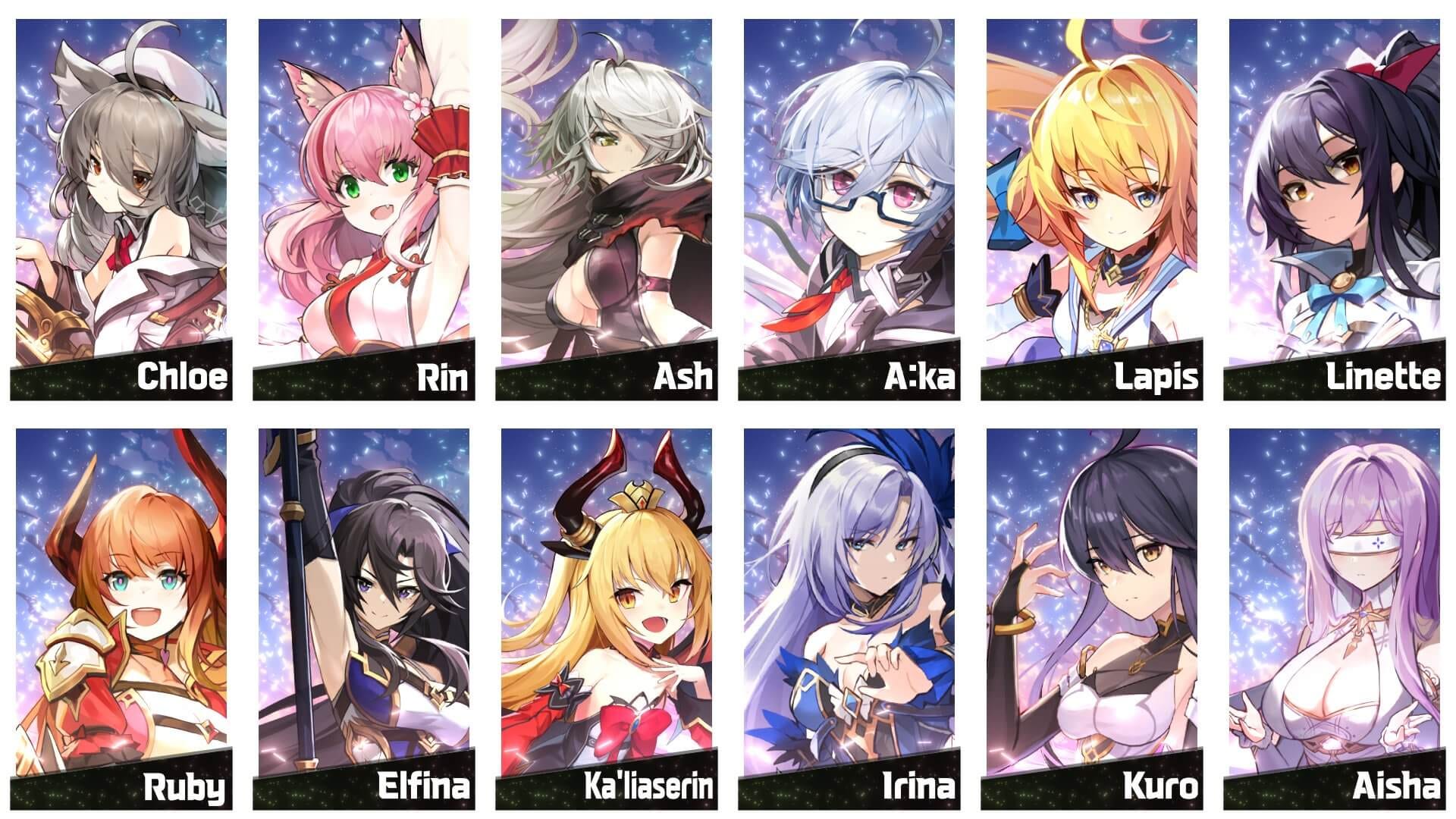
Gacha games, known for their focus on collecting and monetization through loot boxes, are believed to be highly compatible with Web3 elements. The genre's randomization mechanics are highly addictive, and games such as Genshin Impact have shown how successful this model can be, with high average revenues per download (ARPD).
The audience's demand for new characters and existing familiarity with similar monetization practices make it a strong fit for the Web3 business model.
Game Mechanics
The discussion also delved into what types of game mechanics are suitable for integrating Web3 elements, irrespective of the game genre.
Single & Multiplayer Games
Take for example, Illuvium Zero. It is a single-player game but the resources that you get from playing Zero can be brought over and utilized in other Illuvium games (eg, Overworld).
One Wolf suggested that blockchain technology could be used in single-player games through the interoperability of assets and achievements between games developed by the same studio.
Web3 games tend to be multiplayer by default (players interact at minimum on the market layer) so leaning into that has made sense to me and our studio.
However, another member argued that multiplayer games are more suitable for Web3 due to the social nature driving trading volume, although blockchain technology could still be integrated into single-player games through other multiplayer game modes and interoperability of items and records.
High Stakes
Zero-sum competitive games, such as extraction shooters, are a game mechanic believed to be suitable for Web3 gaming, especially the wager model. Shrapnel, which is a Web3 version of Tarkov, is an example of such a game. This mechanic provides a thrilling experience for players as they risk losing the NFT items they enter a match with. It appeals to a risk-seeking audience, which is more prevalent in Web3.
Resource Management
Games that revolve around strategy and resource management, such as those in the 4X, RTS, and city-builder genres, are believed to fit well with Web3. These games typically use multiple resources as a primary means of progression, which drives peer-to-peer (P2P) trading volume.
Warfare burns resources nicely and the social dynamics in those games are insanely powerful.
However, it should be noted that these games are less focused on collectability and will require different Web3 models than those used in TCGs, for example.
Considerations & Mismatches
Web3 elements can take many forms, including NFT and token design, but some genres may require innovative changes to the business model for effective implementation.
(Hyper)casual and Puzzle Genres
Imagine Candy Crush or any Idle Game with p2p trading. Imagine buying a jigsaw puzzle for $10, finishing it, applying glue, and then trying to sell it on eBay for $100.
Casual games, such as Candy Crush, lack the collectability aspect and incentive for P2P trading, as indicated in the Unity 2022 game report, which shows that ad revenue primarily drives games in the casual, hypercasual, and puzzle genres.
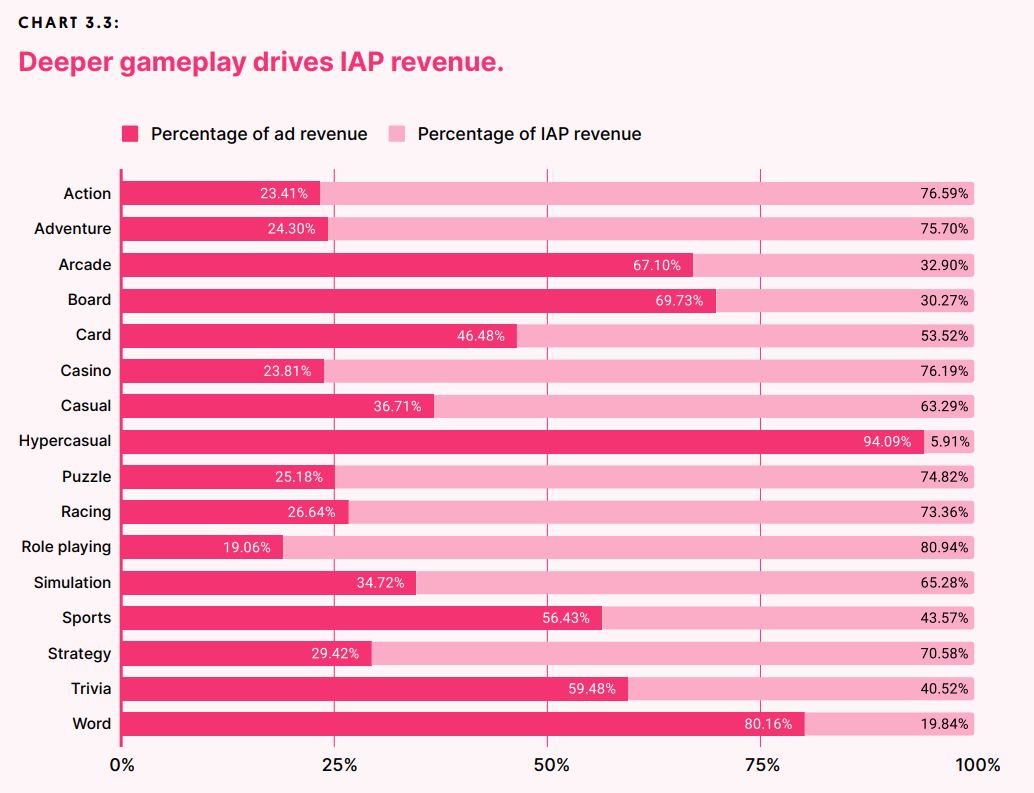
In contrast, Dookey Dash is testing the integration of competitive aspects in casual games by offering power-ups through in-app purchases and awarding top players with a skill-based NFT mint.
Loot Boxes
Additionally, there are concerns with regard to loot boxes that need to be taken into account in Web3.
Lottery-based item distribution (in some formats). If you can directly trade your loot or gacha drops, everything becomes interchangeable and boring. The powerful versions of variable reward schemes get replaced with “small prize vs big prize” rolls.
In such a scenario, players may have little motivation to open loot boxes since purchasing items from a secondary marketplace may be more advantageous, resulting in the primary revenue stream in gacha games being removed.
Therefore, game developers working in these genres must be cautious in the design of these reward systems, including both on-chain and off-chain incentives. Moreover, as the issue of loot boxes is becoming increasingly sensitive, their use is being scrutinized.
This does not imply that gacha games are not suitable for blockchain technology; instead, the model does not directly transfer to NFTs and necessitates some modifications in this regard.
Cosmetic-Based Economies
While Web2 has demonstrated the success of cosmetic-based economies such as CS:GO, it is important to note that the transferability of existing Web2 models to Web3 is limited due to factors such as the game's social capital and esports scene.
Areas where we saw people willing to BREAK the rules of a game...develop outside marketplaces are the ones I truly see flourishing with Web 3
Nevertheless, the popularity of collectibles and P2P trading suggests that this model could be successful on the blockchain, although further adoption is needed.
Conclusion
The Wolves DAO Files' second edition discussed the suitability of blockchain in various game genres and mechanics, as well as the need for innovation in some existing games/genres. While Web3 elements will likely take different forms and models across genres, the consensus is that games that prioritize collectability and have high P2P trading volume are most likely to succeed.
Special Thanks To
@Arto, @No1Smurf, @Winterfyre, @Sinjin, @Sam, @JACL, @MyWifeBoughtThis, and @Junge for actively contributing to this discussion and providing valuable insights.
This Substack post was put together by @Web3_Memento and edited by @Samsteffanina and @sparkcsays.
Need Help?
Need market intel and advice to help your Web3 project succeed? Get in touch with The Wolves today and receive a free consultation!
Disclaimer
None of this is financial or legal advice.
great piece!